
How to lay a gravel shed base
A level, free-draining base for an 8x6 ft shed in one weekend: seven steps, a materials list, a cost table and answers to the usual questions.
Why gravel works under a shed
Rain runs straight through it, so water never pools under the floor. It needs no mixer and no curing time, and if the ground settles you can rake it level again.
- TimeOne weekend, two people
- Base size here2.7 x 2.1 m
- For a shed of8x6 ft, 2.4 x 1.8 m
- DepthAbout 125 mm of stone
Gravel suits firm soil and sheds up to 10x8 ft. On clay that stays wet, or for a heavy workshop, read the concrete base guide first.

The seven steps
Mark out the base
Peg out a rectangle 150 mm bigger than the shed on every side: 2.7 x 2.1 m for an 8x6 ft shed. When both diagonals measure the same, the corners are square.
Dig out the turf
Strip the turf and dig down about 100 mm across the whole rectangle. Keep the bottom flat and rake out roots and big stones.
Build the timber frame
Screw four treated 150 x 47 mm boards into a frame on your marks. Drive a stake inside each corner and screw the frame to it.
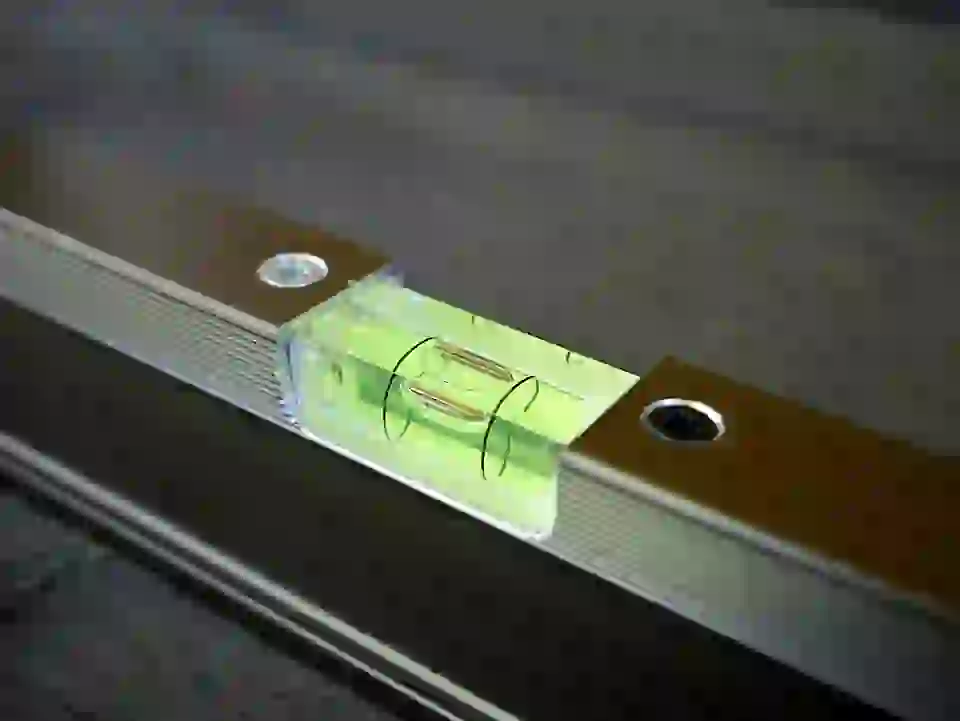
Level the frame
Check every side and both diagonals with a spirit level. Pack or dig under the boards until the bubble sits centred all round.
Lay the membrane
Line the hole with woven weed membrane, overlapped 300 mm at joins and run up the inside of the frame.
Add and compact the sub-base
Spread 75 mm of MOT Type 1, dampen it and run a plate compactor over it twice.
Top with gravel
Finish with 50 mm of 10 to 20 mm angular gravel, raked flush with the frame. Check level once more before the shed goes on.

Materials list
Quantities for a 2.7 x 2.1 m base under an 8x6 ft shed, with a little spare.
- Treated timber, 150 x 47 mm4 at 3.0 m
- Pointed treated stakes4, plus spares
- Exterior screws, 100 mm1 box
- Woven weed membrane3 x 3 m
- MOT Type 1 sub-baseAbout 1 tonne
- Angular gravel, 10 to 20 mmAbout 0.5 tonne
Tools: spade, string line and pegs, tape measure, a 1.2 m spirit level, a rake and a hired plate compactor.
Cost table
An example budget: typical UK price ranges for this base in late 2026. Your merchant’s prices and delivery charges will differ.
- Timber, 4 boards£40 to £60
- Stakes and screws£15 to £25
- Weed membrane£10 to £20
- Type 1, one bulk bag£50 to £80
- Gravel, one bulk bag£60 to £90
- Plate compactor, one day’s hire£35 to £60
- Total£210 to £335
Do I need a frame round the gravel?
Yes. Without one the edges spread under the shed’s weight and the corners drop within a season.
Can the shed sit straight on the gravel?
Sit it on its own floor bearers or on treated 75 x 50 mm bearers, so air moves under the floor and the boards stay dry.
How deep should the stone be?
About 125 mm in all: 75 mm of compacted Type 1 with 50 mm of gravel on top.
Will it take a bigger shed?
On firm soil, up to about 10x8 ft. For a heavy log cabin or a workshop with machines, pour a concrete base.
Do I need permission for the base?
A base on its own rarely does; the shed’s height and how close it sits to a boundary matter more. Ask your council if in doubt.