Gravel shed foundation, step by step
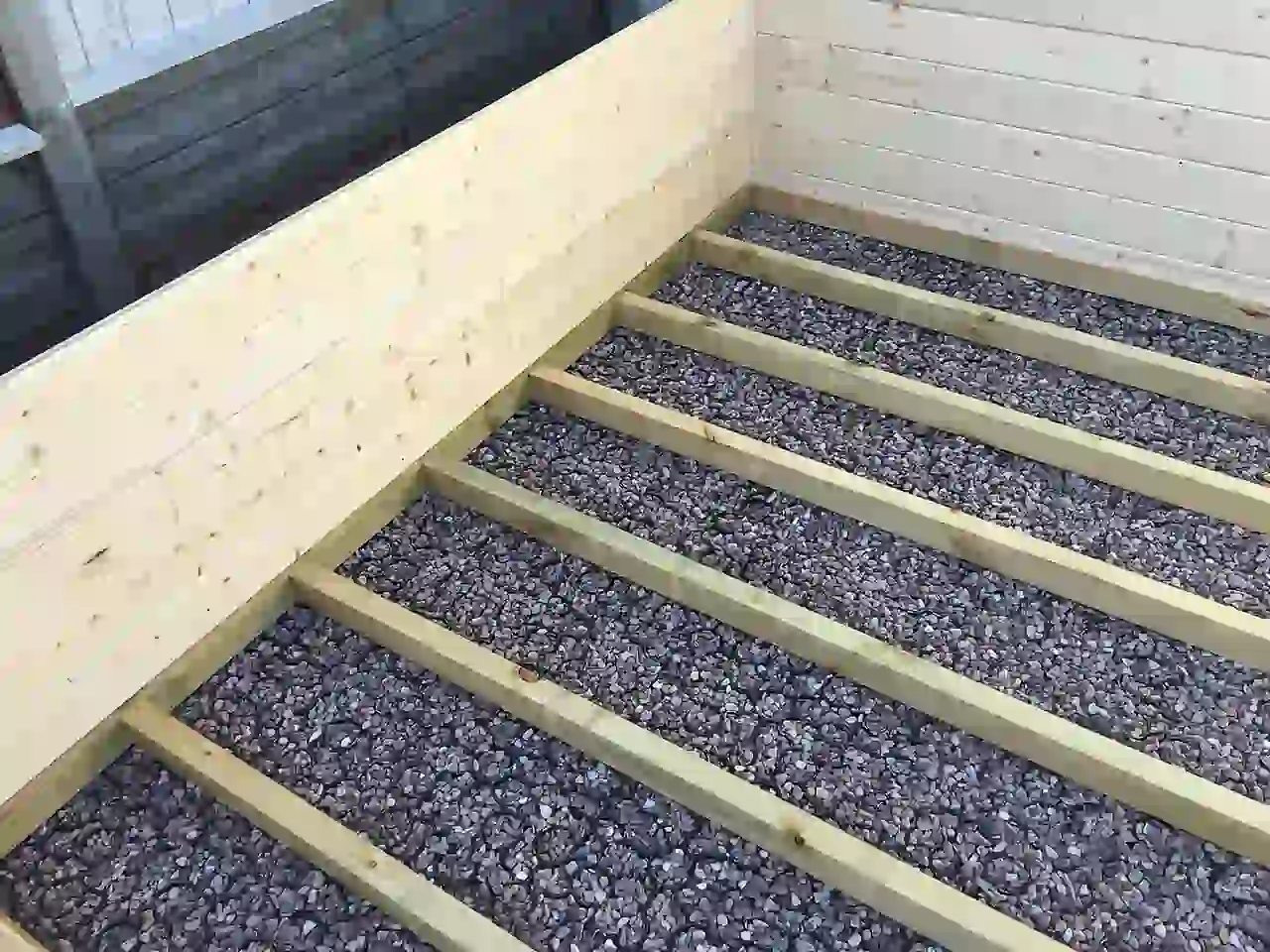
A treated timber frame filled with compacted gravel gives an 8x6 ft shed a level base that drains. No concrete, no mixer, and about £170 to £215 in materials.
Materials for a 2.5 x 1.9 m base
For an 8x6 ft shed, with 100 mm spare on every side.
- Treated timber, 150 x 50 mmThe frame: two 2.5 m sides and two 1.8 m ends4 x 3.0 m
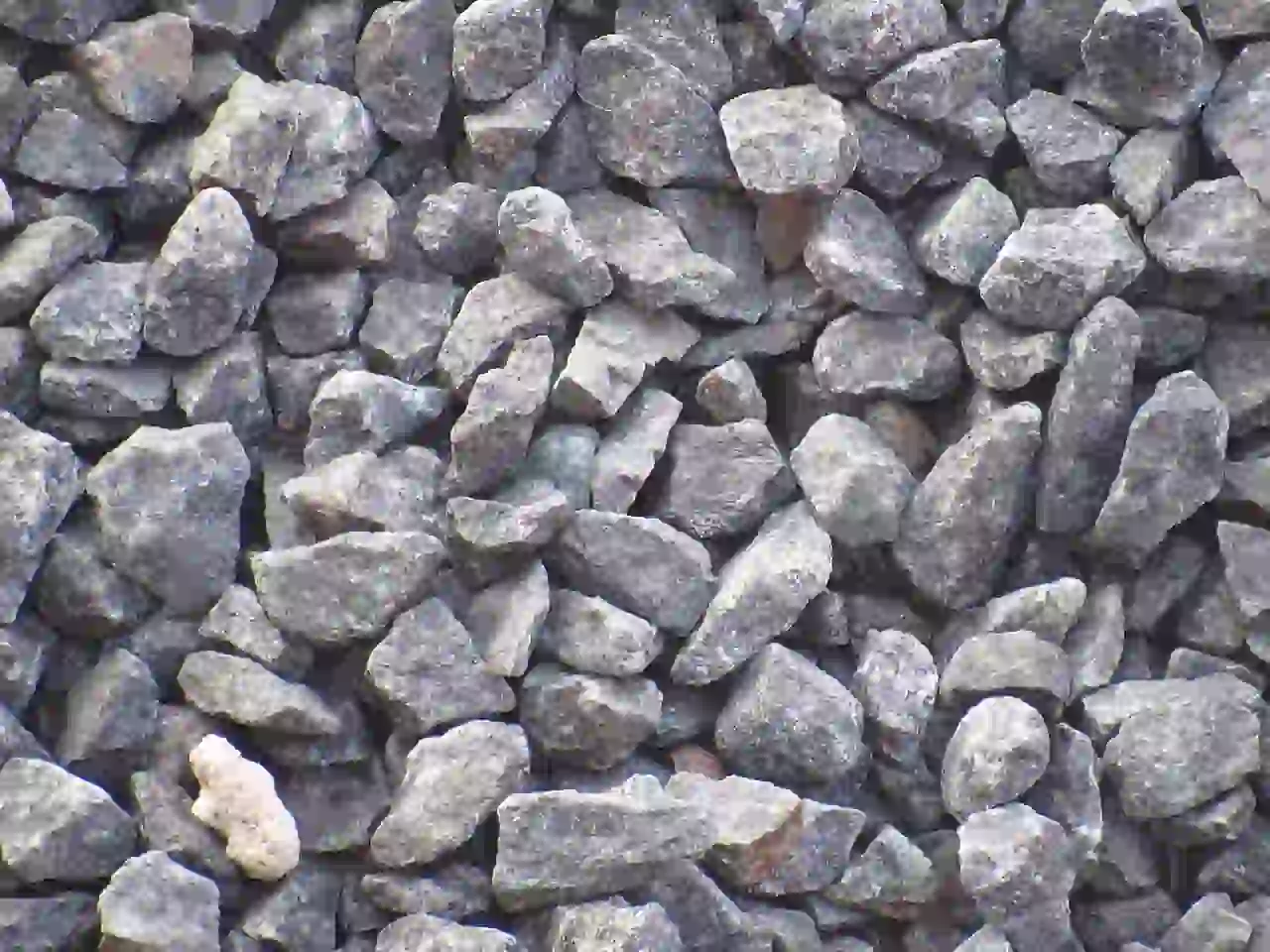
- Angular gravel, 20 mmClean crushed stone, never rounded pea gravel1.2 t
- Weed control membraneLaps 150 mm up the inside of the frame2 x 3 m
- Corner pegs, 50 x 50 mm450 mm long, treated, one inside each corner4
- Exterior screws, 100 mmTwo at each corner, two into each peg16
Tools: spade, rake, tape, string line, 1.2 m spirit level, saw, drill-driver and a hand tamper or a hired plate compactor.
Seven steps from lawn to level base
Two people, two days: dig and build the frame on day one, fill and compact on day two.
1Mark out the shed base
Peg a string line 100 mm outside the shed on every side. Measure both diagonals: when they match, the rectangle is square.
2Dig out the base
Lift the turf and soil 100 mm deep inside the string. Rake the bottom flat and tread it firm; soft spots settle later.
3Build the base frame
Cut the treated boards to 2.5 m and 1.8 m and screw them into a box, two screws at each corner. Set it in the hole and level every side with the spirit level.
4Peg the base frame
Drive a corner peg inside each corner and screw it to both boards, so the frame cannot drift when the gravel goes in.
5Line the base with membrane
Cover the bottom and lap the membrane 150 mm up the boards, with joins overlapped by 300 mm. It stops weeds, not water.
6Fill and compact the gravel
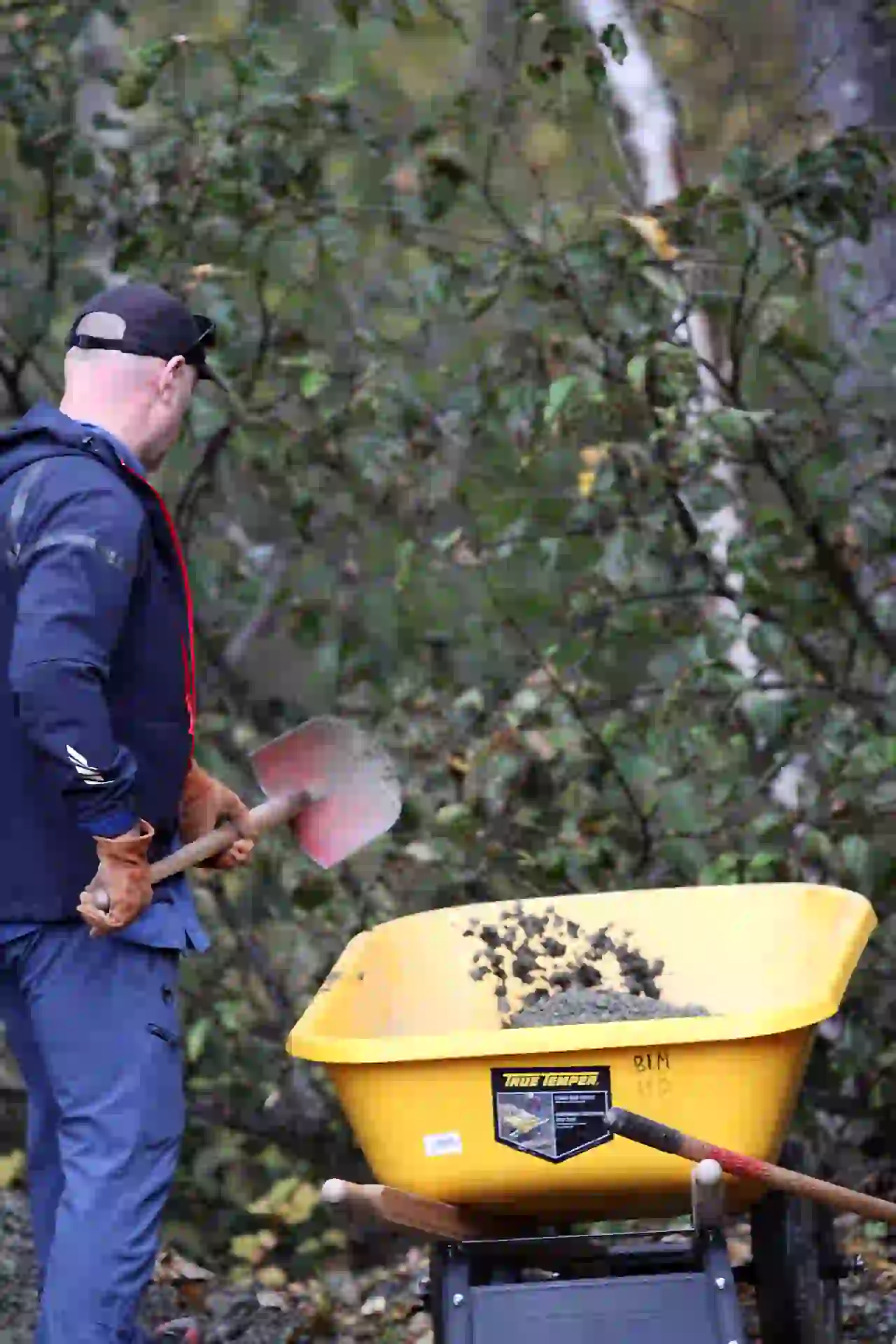
Add gravel 50 mm at a time and compact each layer until it stops moving underfoot. Three layers fill a 150 mm frame.
7Level the gravel top
Strike the top flush with a straight board run along the frame, check it with the level, then lay the shed's bearers across it.
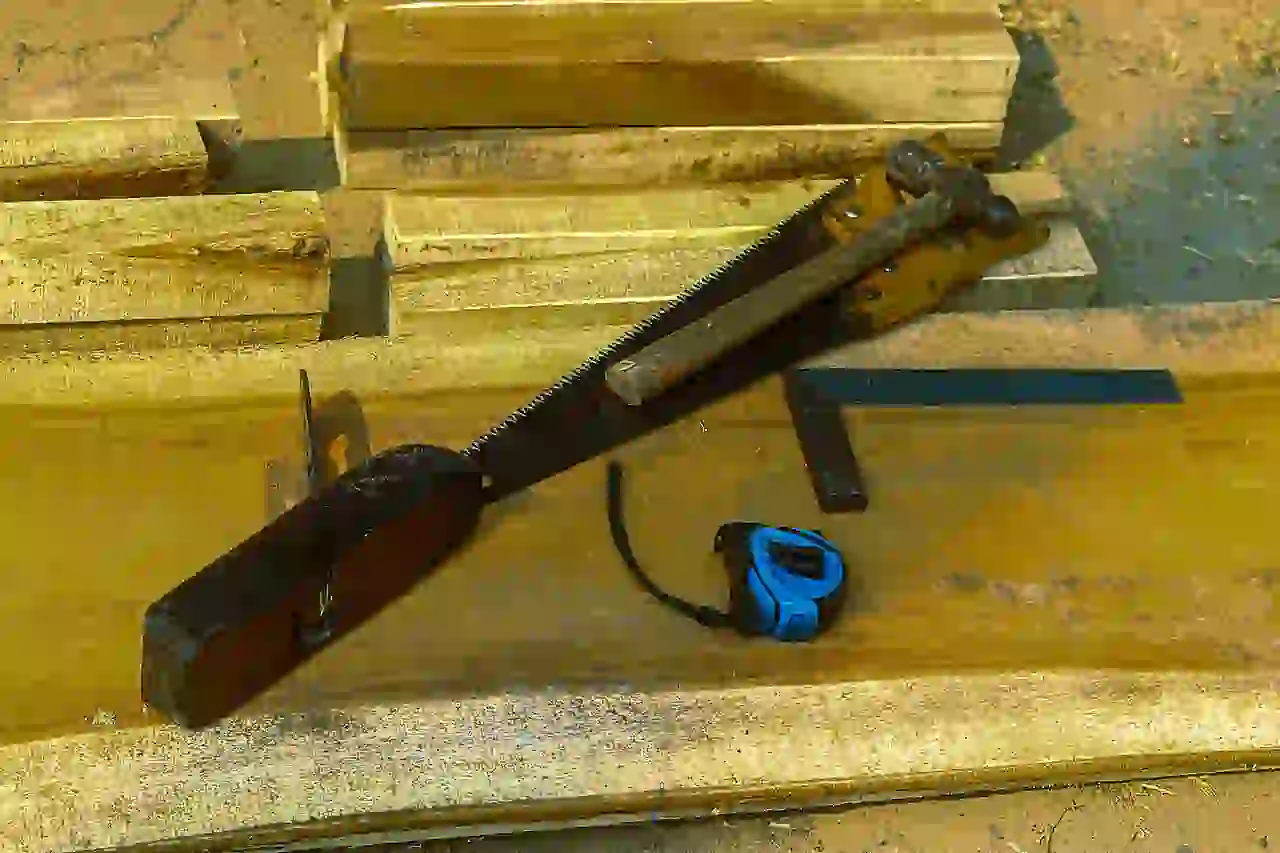
What the gravel base costs
Example costs from UK merchants and hire shops, autumn 2026. Prices near you will differ.
| Item | Cost |
|---|---|
| Treated timber, 4 x 3.0 m | £48 |
| Gravel, 20 mm, bulk bag delivered | £95 |
| Weed membrane | £12 |
| Pegs and screws | £14 |
| Plate compactor, one day’s hire | £45 |
| Total, or £169 with a hand tamper | £214 |
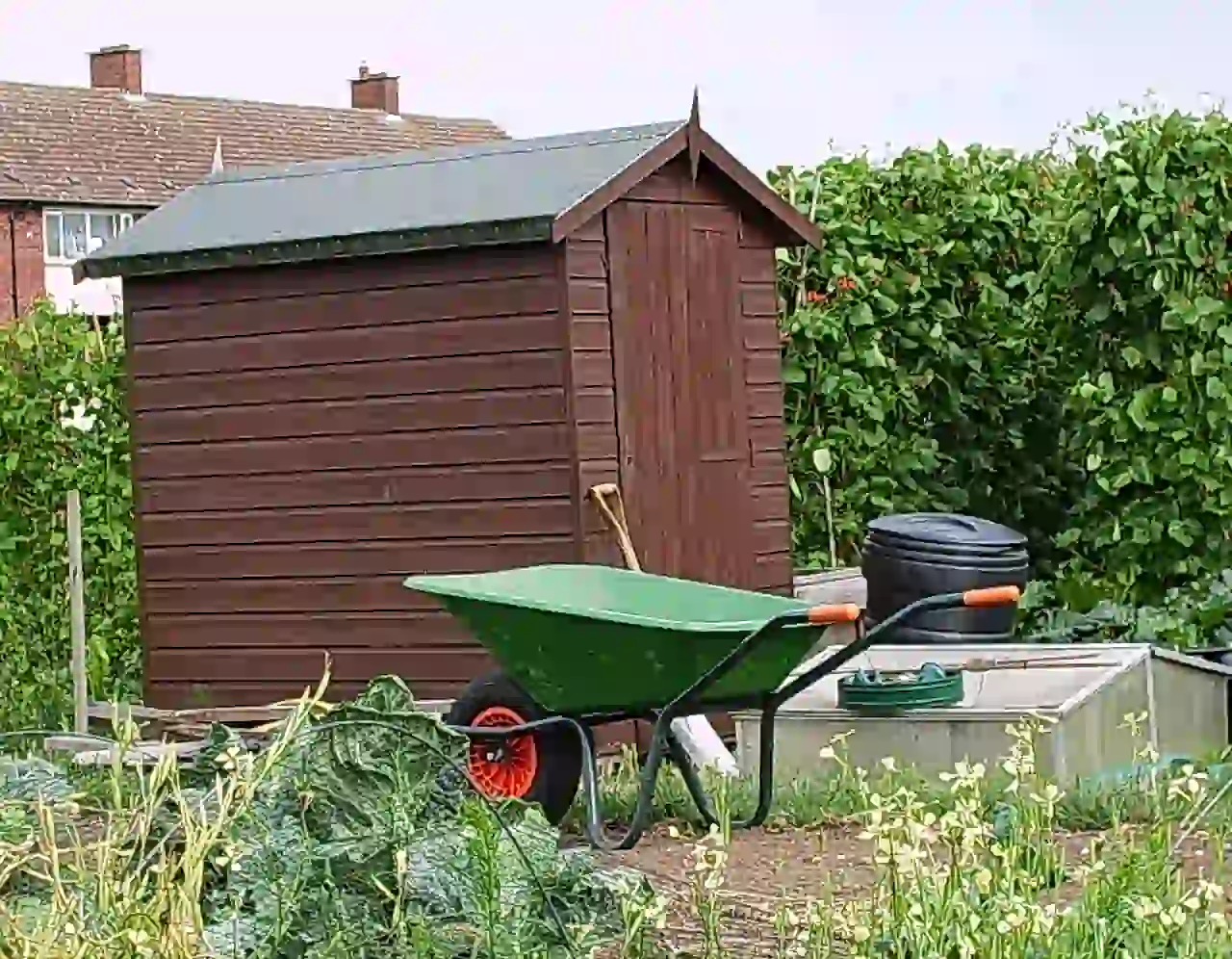
Example picks for this base
What we would buy for this job: examples, not tested reviews.

Ground-contact timber, 150 x 50
Look for UC4 on the label: garden-grade timber rots in soil.

20 mm crushed stone, bulk bag
Ask for clean stone: fine dust clogs the drainage.
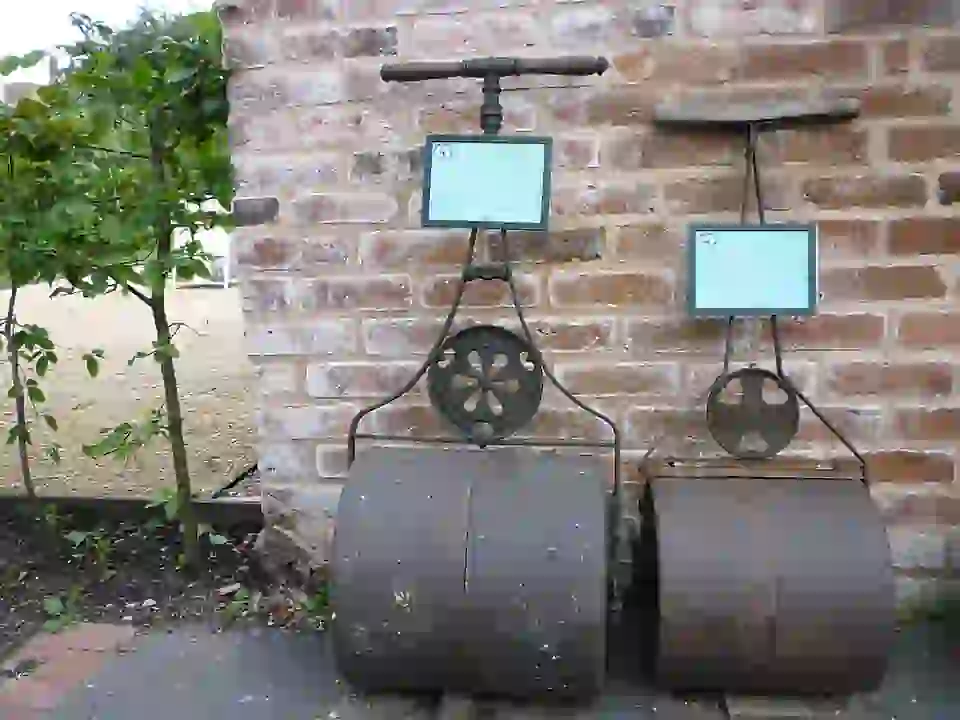
Hand tamper, 230 mm plate
Enough for a base this size if you take it slowly.
Gravel base questions
Something missing? Email a question
How deep should a gravel shed base be?
Dig 100 mm and use 150 mm boards, so the frame stands 50 mm proud of puddles.
Can I use pea gravel?
Use angular stone: it locks together. Round pea gravel rolls, and the bearers settle unevenly.
Do I need a plate compactor for the base?
Not at this size: a hand tamper does it, slowly. On clay or a bigger base, hire one.
Is gravel strong enough for a big shed?
On firm, level ground, up to about 10x8 ft. For a workshop or a slope, pour concrete.
Does the shed sit straight on the gravel?
No. Lay treated bearers first: they spread the load and let air under the floor.