How much does a shed cost? Kits, self-builds and the extras
A line-by-line budget for a typical 8 × 6 ft shed, from the cheapest kit to a self-build.
Pick the thing you're stuck on. Each article answers one question properly, with the measurements, materials and rough prices you need to get on with it.
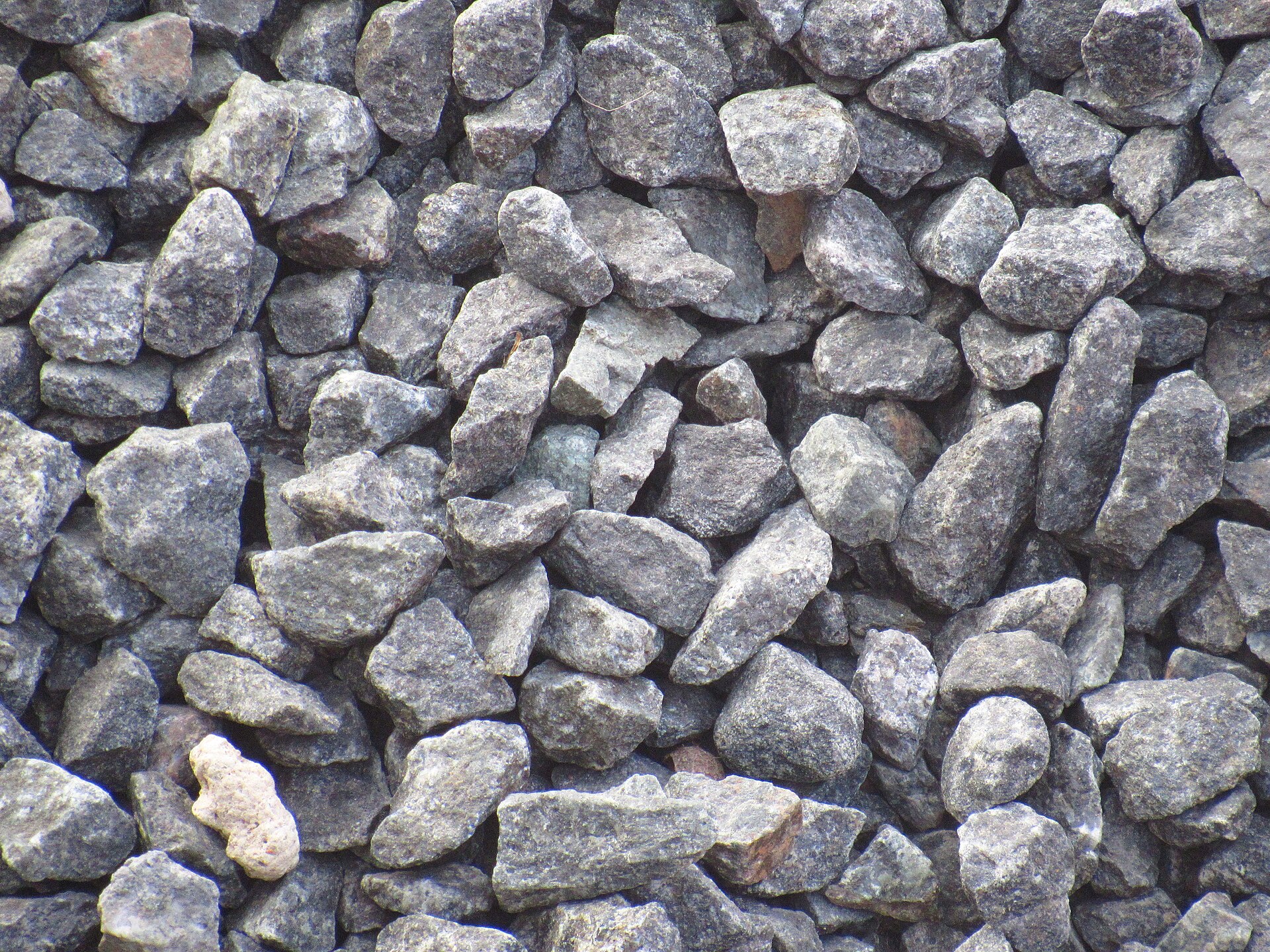
The base most first-time builders should use: a treated timber frame, weed membrane and compacted stone. Nine steps, a full materials list, a cost table and a gravel calculator.
Read the guide →What a shed really costs once you add the base, delivery, treatment and the bits nobody prices in. Plus the honest build-or-buy maths.
A line-by-line budget for a typical 8 × 6 ft shed, from the cheapest kit to a self-build.
Time, tools, skill and money compared, so you can pick with your eyes open.
Skimp on the paint, never on the base or the roof. Here's why.
A shed is only as good as what it stands on. Get the base level, dry and a little larger than the shed and everything above it lasts longer.
Frame, membrane, sub-base, gravel. Everything you need for a cheap base that drains well.
A plain comparison of cost, effort and lifespan for each type of base.
Quick to lay and light to carry. Where they work and where they let you down.
Dig in, build up or go on adjustable feet: the three ways to level a sloping garden.
Timber, metal or plastic, and the smaller choices that decide whether a shed lasts five years or twenty-five.
Each one fails in a different way. What to check on each before you buy.
Why the shape of the boards matters more than their thickness.
What the labels mean, and how much treatment a shed really needs.
How long each covering lasts and how hard it is to fit yourself.
Measure what you own, add room to walk in and turn round, then think about where the door goes.
A ten-minute measuring job that stops you outgrowing your shed by next summer.
Roof shape changes what you can store and where you can stand.
Space for maintenance, gutters and airflow, plus when to check with your council.
Use the walls, the rafters and the back of the door, and a small shed will hold far more than you'd expect.
Rails, pegboard and one fold-down bench: a layout you can copy.
Door widths, wall hooks and the angles that make it work.
Why tools rust in a sealed shed, and the cheap vents that fix it.
Every decision in this list, boiled down to a printable checklist and budget planner.