Step-by-step gravel shed foundation
A gravel base is cheap, drains well and is forgiving if you're not a builder. Here's how to lay one properly in a weekend, with exactly what to buy and what it costs.
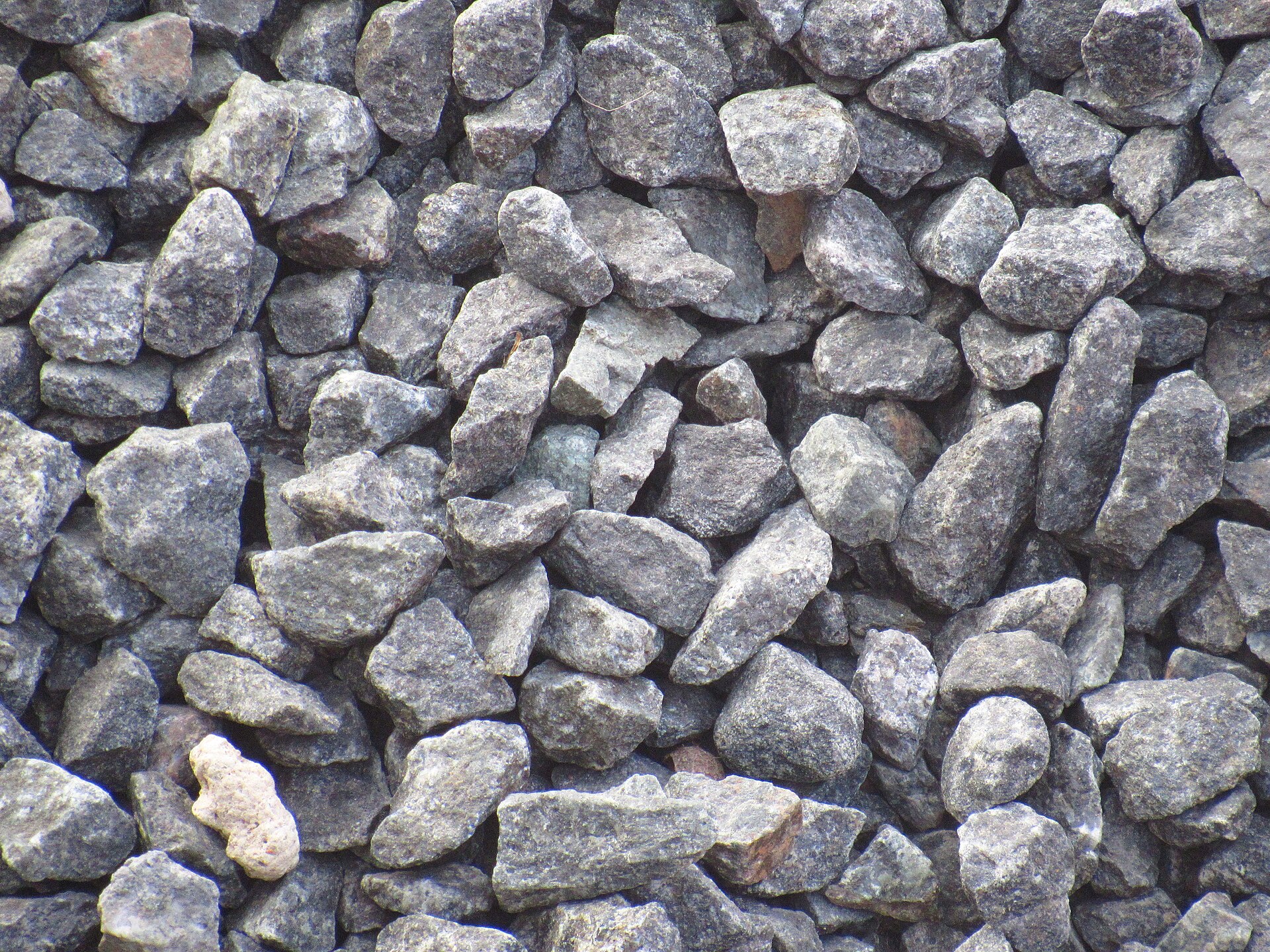
Dig out 150 mm (6 in), build a level frame from treated 150 × 50 mm timber, lay weed membrane, compact 50 mm of Type 1 sub-base, then fill with 100 mm of 10–20 mm angular gravel. Sit the shed on its bearers, not straight on the stones. Budget about £225–£320 for an 8 × 6 ft shed.
What's under the shed
A good gravel base is a layer cake. Each layer does one job: the frame holds everything square and level, the membrane stops weeds, the sub-base spreads the load, and the gravel lets rain drain straight through instead of pooling under the floor.
- Shed floor on bearers
- Gravel, about 100 mm deep
- Type 1 sub-base, 50 mm
- Weed membrane
- Treated frame, 150 × 50 mm UC4
- Compacted soil
Materials list
For a base to suit an 8 × 6 ft (2.4 × 1.8 m) shed. Make the frame about 100 mm bigger than the shed on every side so rain dripping off the roof lands on gravel, not soil.
- Treated timber, 150 × 50 mm (UC4, ground contact)4 lengths
- Timber pegs, 50 × 50 mm, 450 mm long8
- Exterior screws, 100 mm1 box
- Woven weed membrane2 × 3 m
- MOT Type 1 sub-baseabout 0.3 tonnes
- 10–20 mm angular gravel1 bulk bag
- Pegs, string line and a tape
- Spirit level (1.2 m or longer)
- Spade, rake and wheelbarrow
- Plate compactor or hand tamperhire for a day
How much gravel do I need?
Enter the inside size of your frame. We assume gravel weighs about 1.6 tonnes per m³ and a bulk bag holds about 0.85 tonnes.
Step by step
-
Pick the spot
Choose the flattest, best-drained part of the garden you can, away from overhanging trees. Leave at least 600 mm on every side so you can get round to treat the timber and clear the gutters later.
-
Mark it out and check it's square
Knock in a peg at each corner and run a string line between them. Measure both diagonals: when they match, the rectangle is square.
-
Dig out 150 mm
Lift the turf and dig the whole area down about 150 mm (6 in), keeping the bottom as flat as you can. Pull out roots and big stones.
Tip: stack the turf upside down somewhere out of the way. It rots down into good topsoil within a year.
-
Compact the ground
Run the plate compactor over the soil two or three times. Fill any soft spots with sub-base and compact them again.
-
Build and level the frame
Screw the 150 × 50 mm timbers into a rectangle at the corners, set it in the hole and check the diagonals again. Level it along every side and corner to corner, packing under the low points. Screw pegs to the inside of each corner and halfway along the long sides to hold it in place.
-
Lay the weed membrane
Cut the membrane to fit inside the frame with about 100 mm turned up the sides. Overlap any joins by at least 300 mm.
-
Add and compact the sub-base
Spread about 50 mm of MOT Type 1, rake it level and compact it until it feels firm underfoot. On firm, clay-free ground you can skip this layer and use more gravel.
-
Fill with gravel
Tip the gravel in, rake it flush with the top of the frame and run the compactor over it once to settle it. Top up any dips.
Tip: use angular 10–20 mm stone. Rounded pea gravel rolls about under load and the shed can shift.
-
Set the shed on its bearers
Lay the shed's floor bearers across the short width at the spacing the maker gives, check they're level, and build the shed on top. The air gap under the floor is what keeps it from rotting.
What it costs
Here is a sample budget for a DIY gravel base under an 8 × 6 ft shed. If you have to pay for delivery, or a skip for the spoil, add those on top.
| Item | Quantity | Rough cost |
|---|---|---|
| Treated timber, 150 × 50 mm | 4 lengths | £45–£60 |
| Timber pegs | 8 | £10–£15 |
| Exterior screws | 1 box | £8–£12 |
| Woven weed membrane | 2 × 3 m | £10–£15 |
| MOT Type 1 sub-base | about 0.3 t | £40–£60 |
| 10–20 mm gravel | 1 bulk bag | £70–£100 |
| Plate compactor hire | 1 day | £40–£60 |
| Total | £225–£320 |
Sample budget only. These are rough guide prices for UK DIY stores and builders' merchants, and they vary by region and supplier. Check local prices before you buy.
Example picks
The kind of product to look for at each stage. These are examples to show what to look for, not tested recommendations. Links marked “example” may become affiliate links.
Woven weed membrane, 100 g/m²
Woven, not the thin non-woven sort: it won't tear when the stone goes on.
Check priceUC4 treated 150 × 50 mm timber
Look for “UC4” or “ground contact” on the label. Plain UC3 timber rots in the ground.
Check pricePetrol plate compactor (hire)
Hiring one for a day costs less than buying a hand tamper and doing a far worse job.
Check priceFAQ
Is gravel a good base for a shed?
For most timber, metal and plastic sheds up to about 10 × 8 ft, yes. It's cheap, drains well and doesn't crack. For a heavy log cabin or a workshop with machinery, pour a concrete slab instead.
Can I put a shed straight onto gravel?
Not straight onto the stones. Sit it on treated bearers or a plastic grid so air can move under the floor. Without that gap the floor stays damp and rots.
How deep should a gravel shed base be?
About 150 mm in total: 50 mm of compacted sub-base and around 100 mm of gravel. On firm, well-drained ground, 100 mm of gravel on its own will do.
Do I need a frame round the gravel?
Yes. Without one the stone slowly spreads, the edges sink and the shed goes out of level. A treated timber frame is the cheapest option. Concrete edging blocks last longer.
Do I need planning permission?
For a small garden shed, usually not, but the rules depend on its height, where it goes and where you live. Check with your local council before you dig, especially if the shed will sit near a boundary or the property is listed.
Base sorted. Now pick the right shed.
The free Shed Review Guide walks you through size, materials and build quality, with a checklist to take shopping.
Get the free guide